by Mark Plotz (highlights)
…
The implied threat of being sued for building anything other than the same old incomplete street, is a tool deployed far & wide by DOTs to shutdown discussion and give cover for eliminating crosswalks (might encourage pedestrians to cross a dangerous road); paved shoulders and sharrows/bike lanes (might encourage bicyclists to use the public roadways); and sidewalks (might encourage pedestrians to walk in the auto recovery zones). When confronted with the ‘L’ word, take a deep breath (and recognize that lawyers aren’t born with kung-fu grips, so they’re not so scary); stand your ground; then consider Gary’s translation of what is really happening:
"I watched this happen many times during my career at NJDOT. What I began to learn, however, was that most of the transportation professionals who cited liability had never been sued or even consulted with an attorney."
…
Lastly, when faced with the liability argument, it is entirely appropriate to ask: "What’s the cost of maintaining the status quo?" The purpose of starting the conversation about roadway design is to ensure the needs and safety of all anticipated users will not be overlooked and can be reasonably met. Removing a crosswalk or leaving a shoulder out of a design will not prevent pedestrians from crossing the road or a bicyclist from riding to work in a transit-deficient area. The story that follows explains the aftermath of what happens when transportation planners and engineers design roads for cars, then look the other way.
.
Source: "How to Engage Your Transportation Agency" can be downloaded from the PPS website: (https://bit.ly/mUAttj)
from CenterLines, the e-newsletter of the National Center for Bicycling & Walking.oldId.2011090202031822
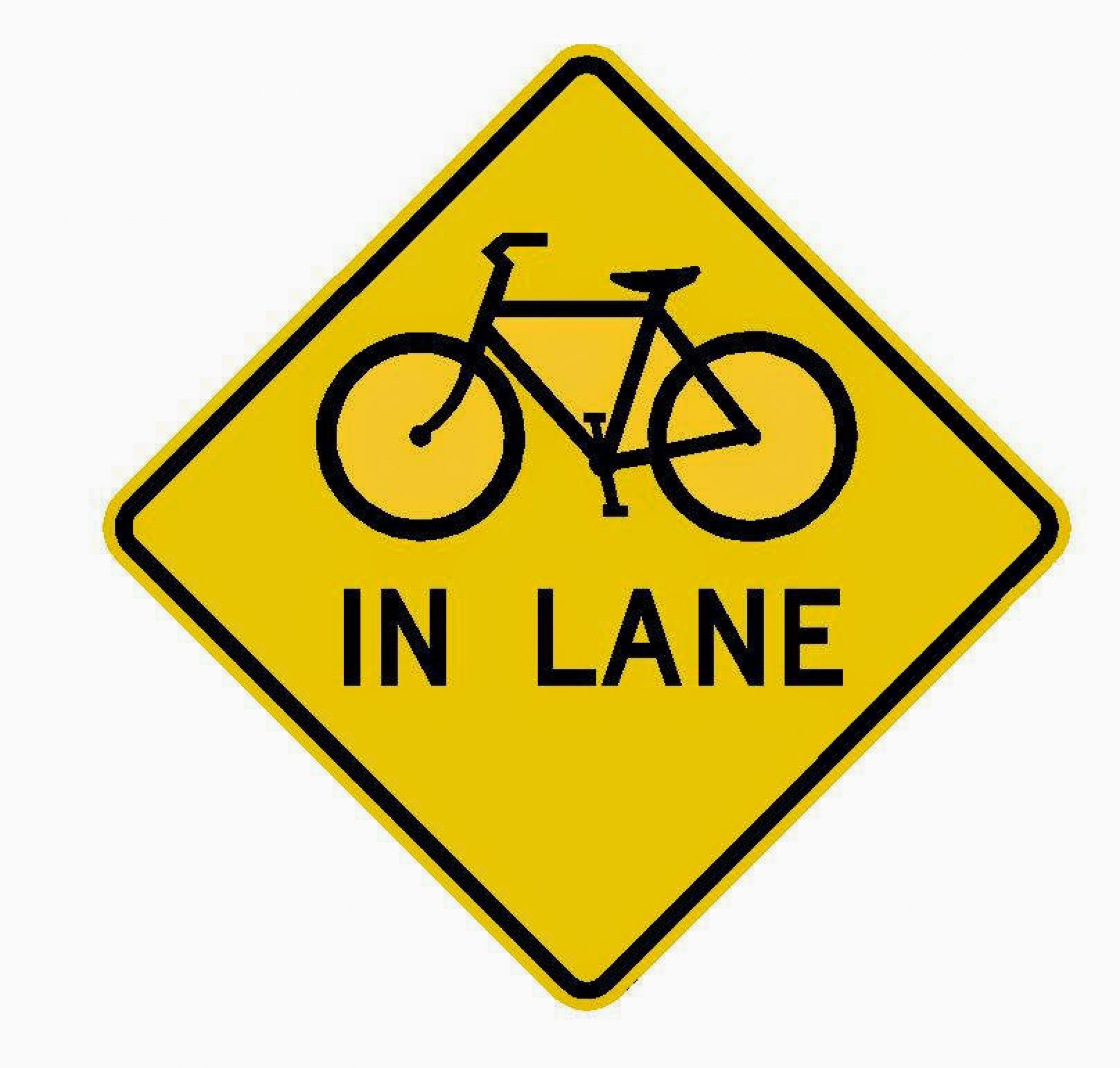
Biking in Baltimore