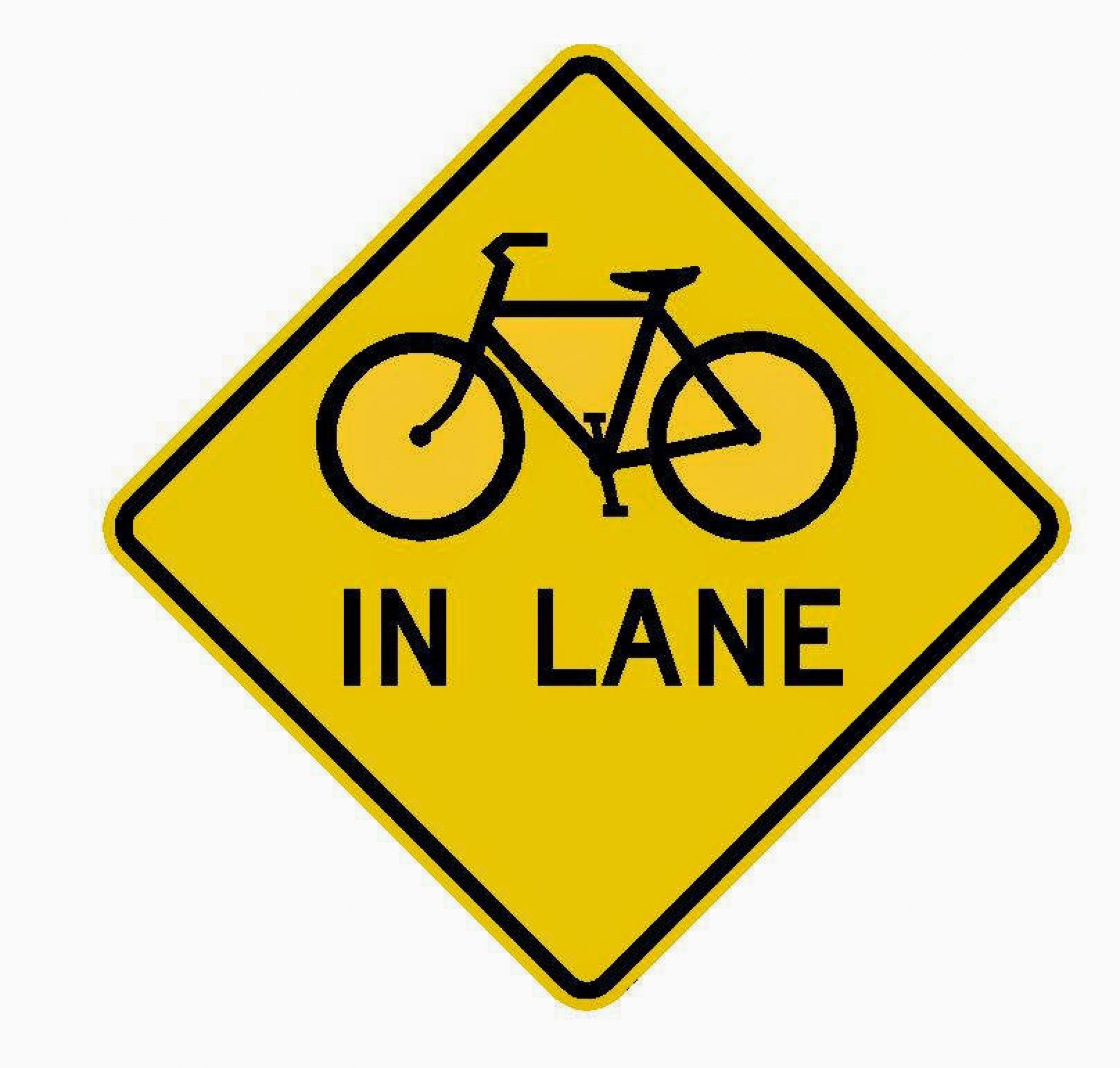
Walking and bicycling are the most immediately accessible, environmentally-friendly, and affordable transportation modes.

With 35% of Baltimore residents without automobile access, increasing the safety and convenience of these active modes will have multiple benefits. Infrastructure that supports and encourages walking and cycling calms traffic and leads to reductions in traffic injury and death. As modes of transport, walking and cycling also promote health, enhance neighborhood connectivity, emit no pollution, and encourage development scaled to people, rather than cars. Making the built environment highly supportive of walking and cycling will lead to a healthier, more complete city. Here are six strategies to help:
- Implement the Baltimore Bicycle Master Plan, creating a network of bicycle paths throughout the city
- Develop a Bike to Work program for Baltimore
- Evaluate the creation of a Bike Sharing service
- Expand the Safe Routes to Schools program
- Close key roads to cars for a “Sunday Streets” program
- Improve public infrastructure for cyclists and pedestrians
What You Can Do:
- Walk or use a bicycle for small trips.
- Walk or bike to work.
- Encourage your workplace and businesses you frequent to add parking for bikes.
- Consider letting your child walk or bike to school.
- Drive respectfully of cyclists.
- Check out these cyclist resources:
- The Baltimore Metropolitan Council’s Commuter Biking Guide
- Baltimore City’s Bike Baltimore Page
https://www.baltimoresustainability.org/transportation/bicycles.aspxoldId.20100214142648723