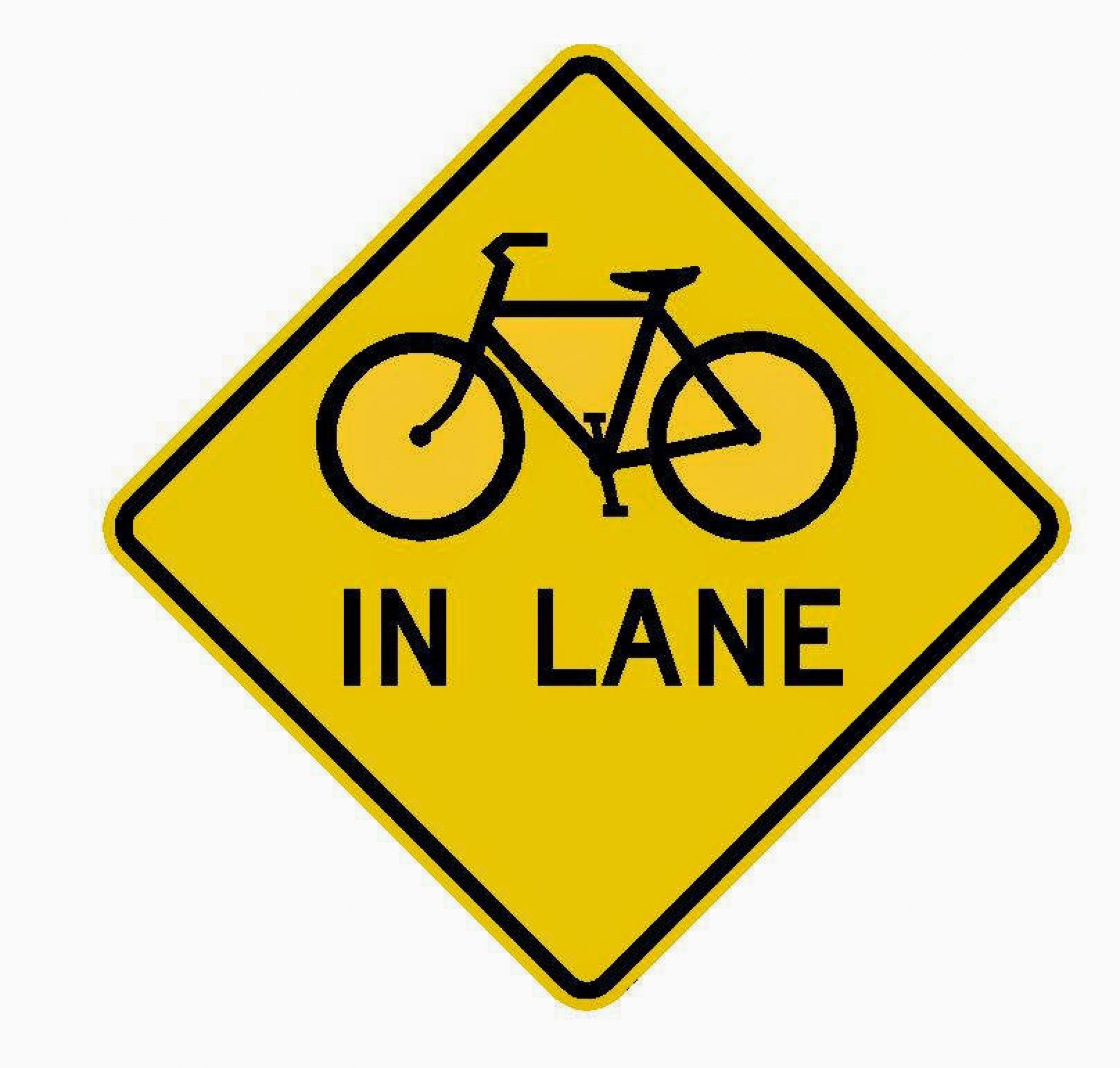
[This is going to be bike/ped friendly??? Multi-lane roundabouts are a pain for pedestrians!]

By Michael Dresser | Baltimore Sun
…
The city’s plans signal an important change in Baltimore’s strategy for keeping traffic flowing. [and increase Baltimore’s 40% pedestrian traffic fatality rate?]
“It’s a new way of thinking in the city,” said Jessica Keller, chief of planning for the city Department of Transportation. “It’s going to take a lot of education with the public.”
The intersections where the city wants to install roundabouts are at some of the most visible, high-traffic locations in Baltimore. One is at Key and Light streets –the gateway to Federal Hill, Locust Point and the rest of South Baltimore. Two are proposed for 33rd Street, where the city wants to build traffic circles near Lake Montebello and at University Parkway.
A roundabout at Park Circle would replace one of the city’s most troubled intersections, where Reisterstown Road, Druid Park Drive and Park Heights Avenue come together. Another, in Seton Hill, would reconfigure the junction of Druid Hill Avenue and Paca and Centre streets.
…
https://www.baltimoresun.com/news/traffic/bal-traffic-circles0522,0,993574.storyoldId.20090522193110905
[This from Portland seems to have some baring on this issue.]
Portland Press Herald coverage seems to indicate Portland is about to make another bad decision for
Franklin Street. This is not a surprise since the stated design goals for this travel corridor are bad.
Proper design goals would be part of wider plans for creating an equitable and efficient urban
transportation system. The larger context for this process must be a culture that recognizes it needs to
reverse last centuryʼs public policies promoting mass suburbanization – where bad transportation policy
was the primary tool.
Rather than finding ‘arterial’ solutions for a limited number of travel corridors, forward looking urban
design diffuses vehicle traffic across a net of redundantly connected travel corridors. This works better
when traffic flows are platooned. Platooning allows traffic entering and crossing (including pedestrian
traffic) more openings. While platooning often results with standard traffic intersection control, it is hurt by
things that encourage continuous flow – roundabouts for instance.
Forward looking transportation design will discontinue its decades long war against pedestrian and mass
transit modes of travel. Continuous vehicle flow promoted by roundabouts is inconsistent with pedestrian
travel and inconsistent with stop and go bus characteristics.
While pocket parks are excellent aesthetic additions to the urban grid, roundabouts create wasted space
in urban areas. The continuous circling vehicle traffic makes it useless even as a pocket park. It becomes
additional dead space for pedestrians to cross, increasing distances between meaningful places.
https://web.mac.com/kob22225/Site/Portland_Press_Herald_Letters_files/roundabout2.pdf
The following are selections reprinted from The Baltimore Sun’s transportation blog, baltimoresun.com/gettingthere. :
I hope that the roundabouts are one lane only. Double lane roundabouts are a nightmare.
-NotableM
Anything positive was about one lane roundabouts.
More at: https://www.baltimoresun.com/news/opinion/editorial/bal-ed.blogs26may26,0,1167353.story