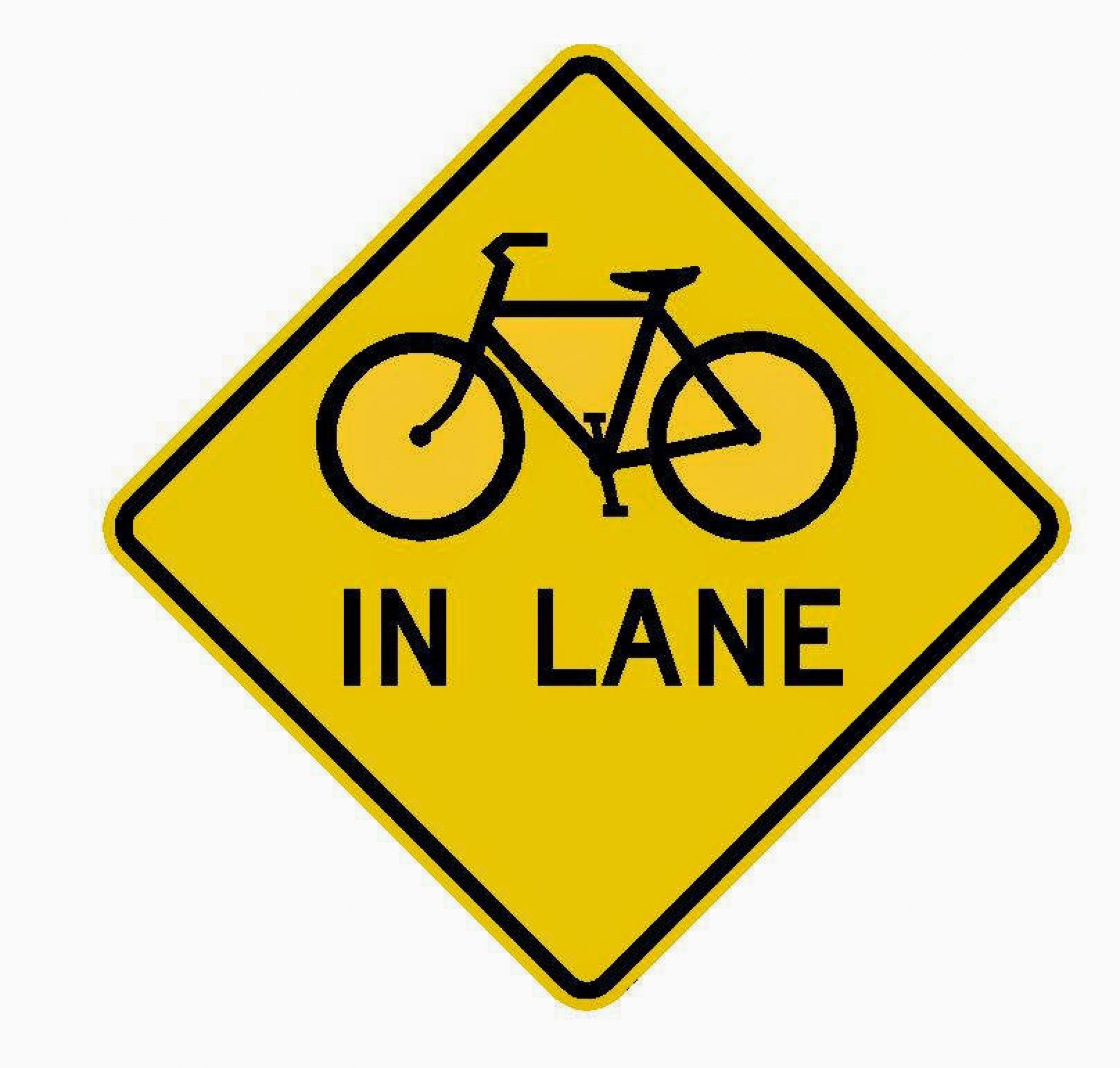
-> According to the Fall 2012 FHWA Pedestrian Forum, "The FHWA strongly encourages the use of ‘road diets’ (roadway reconfiguration) where appropriate. The classic ‘road diet,’ involves converting an undivided four lane roadway into three lanes made up of two through lanes and a center two-way left turn lane. The reduction of lanes allows the roadway to be reallocated for other uses such as bike lanes, pedestrian crossing islands, and/or parking. Road diets have multiple safety and operational benefits for vehicles as well as pedestrians, such as:"
Decreasing vehicle travel lanes for pedestrians to cross,
Providing room for a pedestrian crossing island,
Improving safety for bicyclists when bike lanes are added,
Providing the opportunity for on-street parking,
Reducing rear-end and sideswipe crashes, and
Improving speed limit compliance and decreasing crash severity when crashes do occur.
"Roadways with Average Daily Traffic (ADT) of 20,000 or less may be good candidates for a road diet and should be evaluated for feasibility. It has been shown that roads with 15,000 ADT or less had very good results in the areas of safety, operations, and livability."
"Driveway density, transit routes, the number and design of intersections along the corridor, as well as operational characteristics are some considerations to be evaluated before deciding to implement a road diet. Road diets can be low cost if planned in conjunction with reconstruction or simple overlay projects, since a road diet mostly consists of restriping."
https://1.usa.gov/T0ZvA8
from CenterLines, the e-newsletter of the National Center for Bicycling & Walking.
Philly Bike Win: Complete Streets Bill Sails Through City Council Committee
[B’ Spokes: Attention all cycling advocates.]
***************************************************
by Tanya Snyder, Streets Blog
Big congrats to the Greater Philadelphia Bicycle Coalition, which had a “pretty cool success” Thursday, in the words of Policy Director Sarah Clark Stuart. The entire Streets and Services Committee of the City Council voted to approve a complete streets bill, advancing what could be one of the strongest municipal complete streets policies in the nation.
…
What makes this complete streets bill uniquely enforceable, said Stuart, is that projects will be held up against a checklist to determine whether they are making the maximum possible accommodations to all users.
…
https://dc.streetsblog.org/2012/11/19/philly-bike-win-complete-streets-bill-sails-through-city-council-committee/
On the Trail: New Freedom to York
In case you didn’t know, the NCR trail (starting in Hunt Valley, MD) continues into Pennsylvania.
https://www.baltimoremagazine.net/bikeshorts/2012/11/on-the-trail-new-freedom-to-york
Maryland Recreation Trails Receive $1 Million in Grants [Down from last year’s $3.13 Million]
B’ Spokes: I’ll note in times past such a decrease was not due to stingy government but simply because we didn’t have enough projects far enough along to push for funding. We need to keep on our local governments to keep up with the planning phase of desirable bike projects.
This year’s coverage: https://www.baltimoremagazine.net/bikeshorts/2012/11/maryland-recreation-trails-receive-1-million-in-grants-0
Last year’s coverage: https://www.baltimorespokes.org/article.php?story=20120729160403157
And as a side note here’s a complete list of Recreational Trail Grants: https://www.roads.maryland.gov/pages/release.aspx
Update: One trail grant in the news: Great Allegheny Passage gets grant, SHA’s $16K will be used to purchase a utility vehicle, says spokesman
https://times-news.com/local/x1951899778/Great-Allegheny-Passage-gets-grant
Update #2: More trail grants in the news: State grants benefit West Towson, Cromwell Park trails
https://www.baltimoresun.com/news/maryland/baltimore-county/towson/ph-tt-trail-money-1121-20121120,0,2195608.story
Bike cameras trending among cyclists for safety
By Pamela Brown, WJLA
Laurie Lemiux and her dog, Carmen, commute from Greenbelt to College Park on a regular basis. And to keep them protected, Lemiux equips her bike with a pint-sized camera.
“Cyclists often get blamed for the accident,” said Lemiux. “If you have a camera that documented what really happened, you have your witness right there.”
Small cameras, usually installed in helmets can be used to document accidents or catch license plate number of vehicles that leave the scene.
…
[B’ Spokes: I recommend watching the video.]
https://www.wjla.com/articles/2012/11/bike-cameras-trending-among-cyclists-for-safety-82239.html
Awesome Baltimore Cyclist [video]
Almost hit by Bus
almost hit by bus weds am around 7 on hanover st, southbound, great reason to wear the gopro every commute!
I got 400 plus lumens of tail light and still they feel the need to get so close.
send emails and video to N.Evans:Baltimore Bike Coordinator , Councilwoman M.Clarke and T.Owens @ MTA, all 3 responded and are taking care of this, much much appreciated. Love seeing this get the attention it deserves from the people that matter
Photos: Toronto Protesters Meet Bike Lane Removal Crew Head On
B’ Spokes: Maybe this is an idea we should try next time Baltimore tries to remove a bike lane without input from the cycling community…
https://streetsblog.net/2012/11/13/photos-toronto-protesters-meet-bike-lane-removal-crews-head-on/
NIH Study Finds Leisure-Time Physical Activity Extends Life Expectancy As Much As 4.5 Years
Bethesda, Maryland–(ENEWSPF)–November 7, 2012. Leisure-time physical activity is associated with longer life expectancy, even at relatively low levels of activity and regardless of body weight, according to a study by a team of researchers led by the National Cancer Institute (NCI), part of the National Institutes of Health. The study, which found that people who engaged in leisure-time physical activity had life expectancy gains of as much as 4.5 years, appeared Nov. 6, 2012, in PLoS Medicine.
…
This bar graph displays the years of life gained when participants met various percentages of HHS guidelines for physical activity. 50% = 1.8 years. 100% = 3.4 years. 200% = 4.2 years. 300% = 4.5 years.
Physical activity has been shown to help maintain a healthy body weight, maintain healthy bones, muscles and joints, promote psychological well-being, and reduce the risk of certain diseases, including some cancers.
"We must not underestimate how important physical activity is for health
…
https://www.enewspf.com/latest-news/health-and-fitness/38129-nih-study-finds-leisure-time-physical-activity-extends-life-expectancy-as-much-as-45-years.html
Pre-Impact Fright: Why It Matters So Much
[B’ Spokes: Part of the justification of low traffic fines is the injured victim can sue in civil court. I’m concerned about this approach for the following reasons:
1. Public education. Law suits and their outcome are rarely made public. So what we get is: kill a cyclists and get fined $400 and that’s generally it. (https://www.thewashcycle.com/2012/11/driver-in-diane-whitman-fatality-gets-400-in-fines.html ) Will there be a law suit or will the family just say it will not bring back the dead?
2. Contributory Negligence. I’ve written about this before numerous times but basically another way to prevent cyclists from winning in court (but please consult a lawyer first as results can vary.):
https://www.baltimorespokes.org/search.php?mode=search&query=Contributory+negligence&submit=Search&type=all&st=0&keyType=phrase&author=all&results=50
3. And now I find out about this:]
*****************************************************************************************************************************
by Ronald V. Miller, Jr., Maryland Injury Lawyer Blog
The issue of pre-impact fright is a big deal in wrongful death car accident cases in Maryland.
Why? Well, in non-malpractice cases we have a cap on wrongful death claims and a cap on survival actions. In Maryland – I know some states have it reversed – the survival action is the victim’s loss: his medical bills and pain and suffering damages. It is the only claim in the victim’s own right for the wrong done to them. Under this law, if you shoot a guy in the back of the head without him seeing you coming, there is no survival action. Like the cap itself, this is a dumb law. (Fill in here your own rant about how misguided the cap is. I’ve done it here many times before, but the subject is inexhaustible.)
…
https://www.marylandinjurylawyerblog.com/2012/11/preimpact_fright_why_it_matter.html