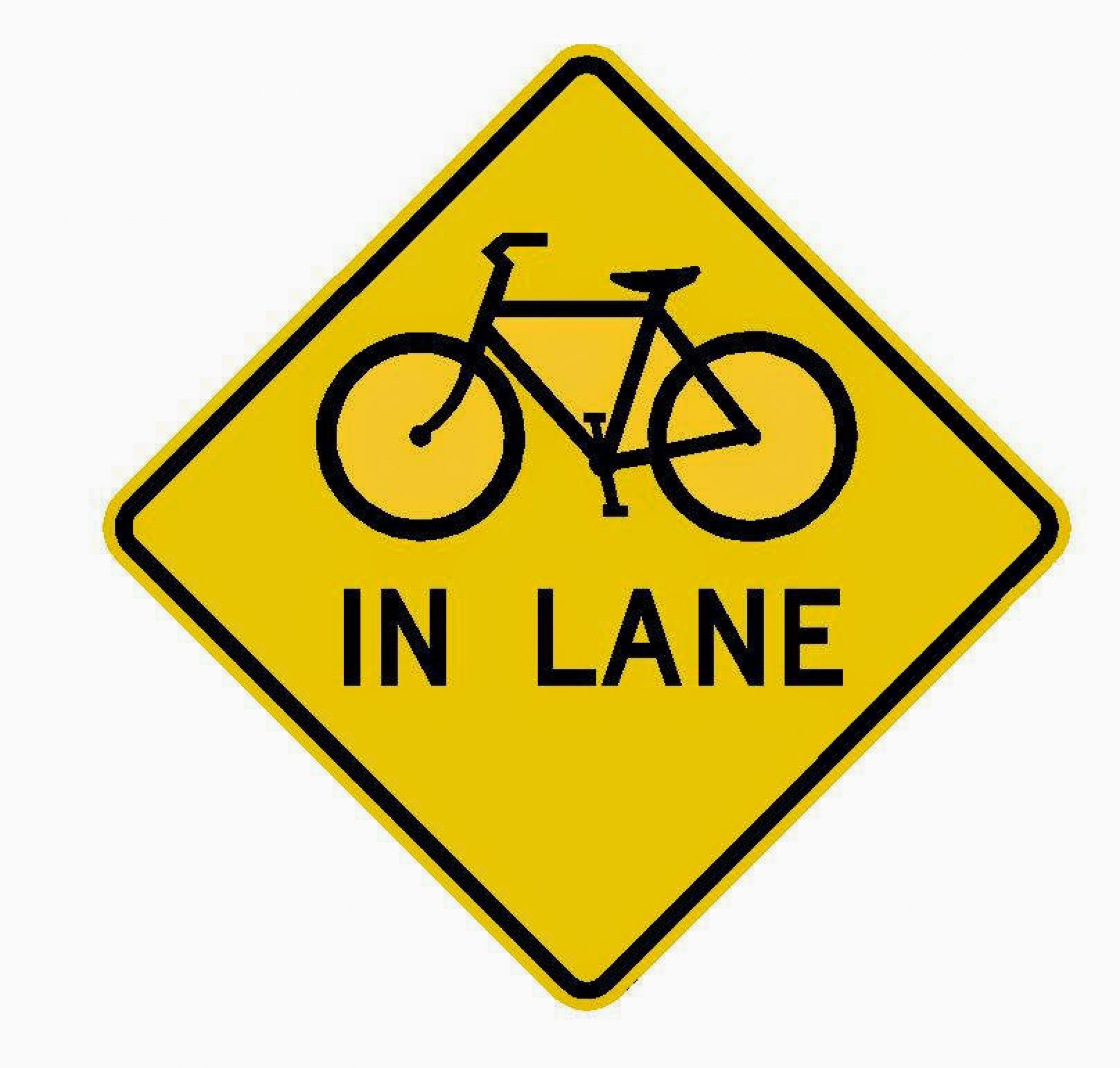
 Transportation professionals and advocates don’t always agree on the answer to this common question. Is a bike lane better than a path or a wider lane with no stripe? There is no simple answer and a lot depends on the unique circumstances of a particular roadway in a particular community. But, by reviewing more than 20 bicycle facility selection guides from the US and other countries, consultant Michael King’s latest report for the PBIC suggests that there are indeed some common ranges or parameters within which different bicycle facility types seem to work best.
Continue reading “What’s the best way to accommodate bicyclists?”
Trail recognized as one of the world’s best public spaces
The Project for Public Spaces, an international nonprofit organization
dedicated to creating and sustaining public places that build communities, has
recognized the Capital Crescent Trail as one of “21 great places that show how
transportation can enliven a community”. The CCT is described as:
“the most-used rail-trail in the nation, transporting one million
walkers and bicyclists a year to destinations as varied as suburban Bethesda
Row, a trendy restaurant hotspot, and Fletcher’s Boathouse, an angler’s
hangout. A green oasis in the midst of traffic-clogged suburbia, the Capital
Crescent trail connects suburban Maryland to the Potomac waterfront with many
natural and historic destinations in between.”
See the Project for Public Spaces June 2005 Making Places Newsletter for more on the 21 great
places around the world.
Economic Impact of Investing in Bicycle Facilities: A Case Study
THE ECONOMIC IMPACT STUDY CONCLUDES THAT:
- Bicycling activity in the northern Outer Banks provides substantial
economic benefits to the area
The history of the bike path
Excerpt:
Post motorisation (Pre World War II)
In Germany, the National Socialist regime was committed to promoting the mass use of private motor cars and viewed the bicycle as an impediment to this goal. For the National Socialist authorities, the exclusion of cycle traffic from main routes was viewed as an important pre_requisite to the attainment of mass_motorisation.
Continue reading “The history of the bike path”